Mind. Body. Spirit.
Why Higher Protein Intake Is Essential for Long-Term Weight Loss
By Nancy Lum, RDN 
Weight loss has become one of the most discussed health topics of the last decade, and one nutrition strategy continues to rise above the rest: higher protein intake. While fad diets come and go, increasing protein intake remains one of the most effective tools for sustainable weight loss and long-term weight maintenance.
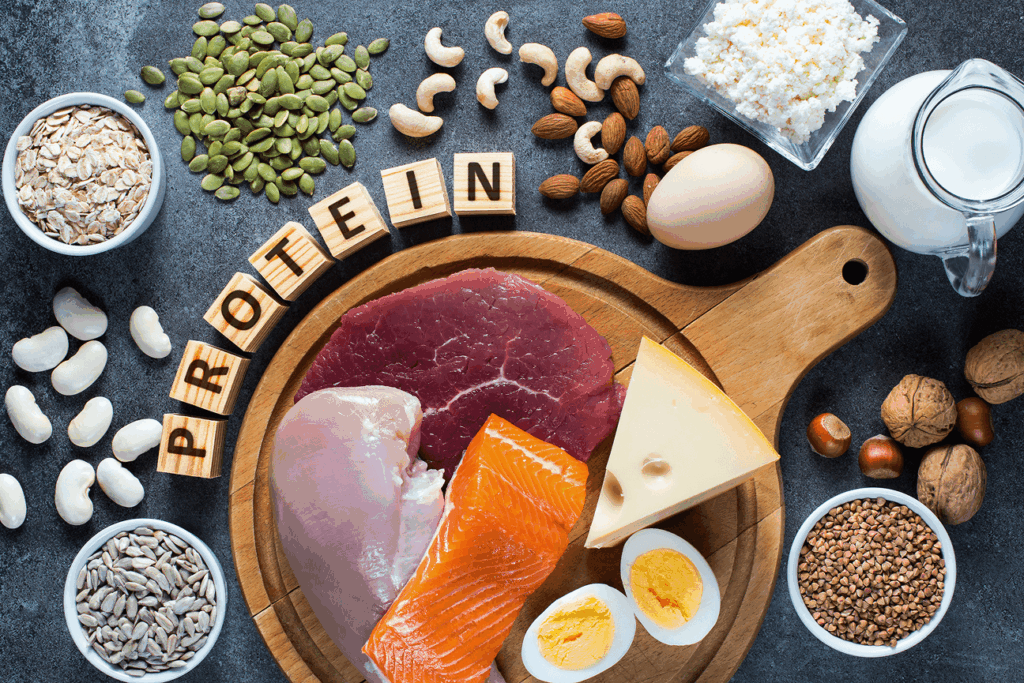
So why is protein so important?
Your Metabolism Depends on Muscle
The active tissues in your body — muscle and bone — make up your metabolism. These tissues burn calories 24 hours a day, even while you sleep. When people go on extreme low-calorie diets or trendy fad plans, they often fail to consume enough protein and calories to support these tissues.
Initially, the scale may go down quickly, but the body responds by slowing metabolism to conserve energy. As muscle and bone mass decrease, the total number of calories burned each day also decreases. This is why many people regain weight after dieting and often end up with a slower metabolism than before they started.
Higher protein intake helps preserve lean muscle mass during weight loss, allowing the body to continue burning calories efficiently.
Protein Naturally Helps Control Hunger
Another major benefit of protein is its ability to stimulate the body’s natural production of GLP-1 (glucagon-like peptide-1), a hormone involved in appetite and blood sugar regulation.
GLP-1 is released from specialized cells in the intestines after eating, particularly after consuming protein. This hormone helps:
- Reduce hunger and cravings
- Increase feelings of fullness
- Slow gastric emptying
- Support insulin regulation
- Stabilize blood sugar levels
- Protein is one of the strongest dietary triggers for GLP-1 release.
When protein is digested, amino acids interact with cells in the gut called L-cells, which then release GLP-1 into the bloodstream. Certain protein sources appear especially effective at stimulating this response.
Protein Foods That Support Natural GLP-1 Production
Some of the best protein sources associated with higher GLP-1 response include:
- Whey protein
- Eggs
- Fish
- Greek yogurt
- Lean meats
- Soy protein
- Preventing extreme hunger
- Reduce cravings
- Maintain stable energy
- Support metabolism
- Encourage steady calorie burning
- Non-starchy vegetables
- Whole fruits
- Omega-3 fats from avocado, olives, nuts, seeds, olive oil, avocado oil, and fatty fish
- Adequate hydration
- Regular physical activity
Whey protein has been studied extensively for its strong effect on satiety hormones and appetite control.
Eating Every 3–4 Hours Matters
Natural GLP-1 stimulation from food is shorter acting than medications, which is why consistent meal timing matters. Eating every 3–4 hours can help:
Including one to two protein sources at each meal or snack can help keep appetite controlled throughout the day.
Protein Alone Is Not Enough
Long-term weight loss requires lifestyle habits that support overall metabolic health. Along with higher protein intake, focus on:
Hydration is especially important because water supports the liver’s ability to metabolize fats efficiently.
There Is No Quick Fix
Many people turn to quick-fix diets or medications hoping for effortless weight loss, but sustainable results require long-term habits. Protein intake, meal consistency, hydration, movement, and balanced nutrition are the foundation of successful weight management.
Weight loss is not about starving the body. It is about nourishing the body in a way that supports metabolism, muscle preservation, appetite control, and long-term health.
By Nancy Lum, RDN